
Call: 07971549637
 Send Inquiry
 Send Inquiry
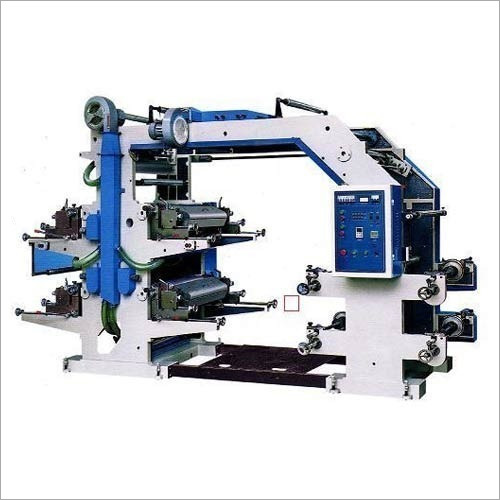
Automatic Flexographic Printing Machine
Automatic Flexographic Printing Machine Specification
- Product Type
- Automatic Flexographic Printing Machine
- General Use
- High-speed multi-color printing on paper, cardboard, plastic films, and flexible packaging materials
- Printing Material
- Paper, cardboard, polyethylene, polypropylene, laminated films, non-woven fabrics
- Type
- Flexographic printing
- Capacity
- Up to 10,000 sheets/hr (varies by configuration)
- Weight (kg)
- Approx. 3000 kg
- Computerized
- Yes
- Automatic
- Fully automatic operation
- Control System
- PLC based control
- EPS System
- Equipped with Emergency stop system
- Feeding Size
- 800 mm
- Printing Length
- 300 mm - 1200 mm
- Printing Width
- 650 mm
- Printing Thickness
- 0.2 mm - 2 mm
- Printing Plate Lifting System
- Pneumatic lifting system
- Mechanical Speed
- 160 m/min
- Printing Speed
- 80-120 m/min
- Voltage
- 380V/50Hz 3-phase
- Dimension (L*W*H)
- 5000 mm x 2100 mm x 2400 mm
- Feature
- Multi-color printing (up to 6 colors), quick plate change, auto ink feeding, precise registration control
- Color
- Standard industrial gray/white
- Safety Features
- Overload protection, interlock covers
- Max. Roll Diameter
- 1200 mm
- Operating Temperature
- 5C - 40C
- Doctor Blade System
- Ceramic anilox roller with chamber doctor blade
- Operator Interface
- Touch screen HMI panel with multi-language support
- Noise Level
- 80 dB(A)
- Registration Accuracy
- 0.15 mm
- Unwinder/Rewinder
- Automatic tension control
- Drying System
- Hot air circulation + IR drying
- Ink Type
- Water-based or solvent-based flexo inks
- Power Consumption
- Approx. 25 kW
About Automatic Flexographic Printing Machine
Automatic Flexographic Printing Machine is suitable to use in large-scale printing applications. Having equipped with high-precision components and units, this machine ensures longevity and optimum performance. It is designed to transfer quick-drying ink onto the substrates with the help of flexible printing plates. Automatic Flexographic Printing Machine is a sturdy and functional machine. The machine boasts a variety of user-friendly features such as ergonomic design, sturdy housing, easy control options, among others.
Advanced Drying Solutions
This printing machine features a dual drying system combining hot air circulation and infrared (IR) drying. This ensures fast, uniform ink drying, supporting high production speeds and superior print quality across all supported substrates, including polyethylene and laminated films. The system efficiently manages both water-based and solvent-based flexo inks, minimizing smudging and enabling immediate post-print processing.
Highly Accurate Multi-Color Printing
Equipped with a ceramic anilox roller and chamber doctor blade, the machine achieves crisp, vivid prints with precise color registration (0.15 mm) across various widths and lengths. It supports multi-color configurations (up to 6 colors) and offers a quick plate change mechanism for reduced downtime during job switches, making it adaptable to diverse packaging needs.
User-Friendly Automation and Safety
Fully automatic operation, PLC-based control, and an intuitive touch screen HMI panel with multi-language support provide easy setup and monitoring. Automatic tension control for unwinding and rewinding ensures consistent web handling. Extensive safety measures-including overload protection, interlock covers, and an emergency stop system-prioritize operator safety and machine reliability.
FAQ's of Automatic Flexographic Printing Machine:
Q: How does the automatic tension control system improve the unwinding and rewinding process?
A: The automatic tension control system maintains consistent web tension during both unwinding and rewinding, which prevents material stretching or wrinkling. This stability ensures precise registration, minimizes material waste, and facilitates higher-speed production, especially when working with thin films or delicate substrates.Q: What types of inks and materials can be used with this flexographic printing machine?
A: This machine is compatible with both water-based and solvent-based flexo inks. It is designed to print effectively on a range of materials including paper, cardboard, polyethylene, polypropylene, laminated films, and non-woven fabrics, making it suitable for various packaging and labeling applications.Q: Where is the ideal environment to operate this machine?
A: For optimal performance, the machine should be operated in an indoor environment with a temperature range of 5C to 40C. The area should accommodate its dimensions (5000 mm x 2100 mm x 2400 mm) and provide a stable three-phase 380V/50Hz power supply. Minimal dust and humidity will help maintain print quality and machine longevity.Q: What is the process for changing the printing plates, and how long does it take?
A: The machine is equipped with a quick plate change system and pneumatic printing plate lifting, allowing operators to replace plates rapidly and with minimal manual effort. Depending on the job complexity and operator experience, the changeover can typically be completed in just a few minutes, reducing downtime between print jobs.Q: When should the safety features be checked or engaged during operation?
A: Safety features such as overload protection, interlock covers, and the emergency stop system should always be checked before starting the machine. Operators should ensure all covers are securely closed and emergency stops are accessible. Engaging safety checks regularly ensures safe operation and compliance with workplace safety standards.Q: What are the main benefits of using a multi-color flexographic printer with automated controls?
A: Key benefits include increased productivity due to full automation and high-speed operation (up to 120 m/min), consistent print quality, reduced manual errors, and faster job setup with multi-language HMI. Enhanced safety and minimal downtime from quick plate changes and precise registration control further optimize production efficiency.Q: How does the drying system benefit high-speed printing tasks?
A: The combination of hot air circulation and IR drying accelerates ink curing, allowing print speeds of 80-120 m/min without compromising quality. This dual system prevents ink smudging and supports immediate post-print processing, vital for large-volume, multi-color jobs in the flexible packaging industry.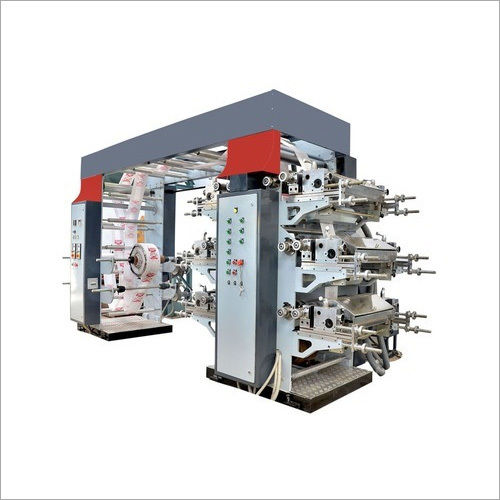
Tell us about your requirement

Price:
Quantity
Select Unit
- 50
- 100
- 200
- 250
- 500
- 1000+
Additional detail
Mobile number
Email

More Products in Flexography Printing Machine Category
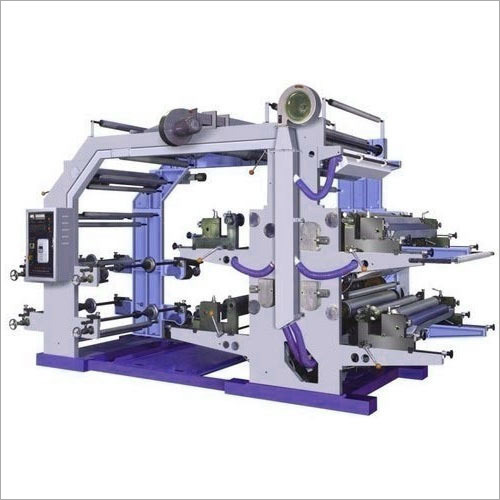
Woven Fabric Flexographic Printing Machine
Type : Flexographic Printing Machine
Weight (kg) : Approx. 4000 6500 kg
Feeding Size : 500 mm 3200 mm (Customizable)
Automatic : Other, Fully Automatic
Control System : Other, PLC Based Control Panel
Printing Width : 600 mm 2400 mm
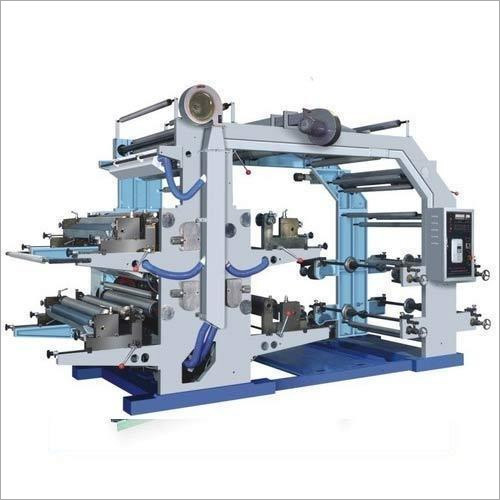
Non Woven PP Fabric Printing Machine
Type : Flexographic Printing Machine
Weight (kg) : Approx. 3500 kg
Feeding Size : 1200 mm
Automatic : Other, Fully Automatic
Control System : PLC Control
Printing Width : 4501200 mm
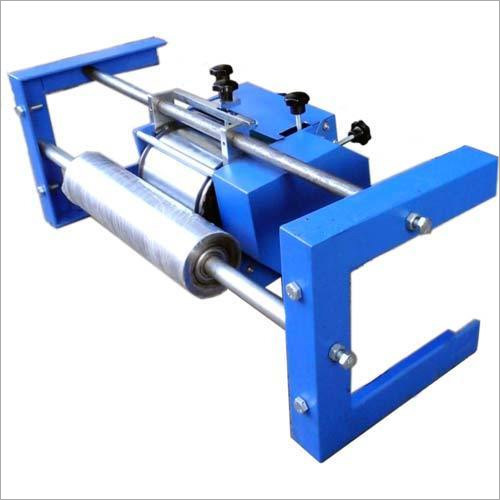
Online Flexographic Printing Machine
Type : Automatic Flexo Printing Machine
Weight (kg) : Approx. 1800 2500 kg
Feeding Size : As per specification (customizable)
Automatic : Yes
Control System : Other, PLC Based Control Panel
Printing Width : 800 mm 1200 mm
Automatic Polyester Printing Machine
Type : Automatic
Weight (kg) : Approx. 2000 kg
Feeding Size : 16003200 mm
Automatic : Yes
Control System : PLC Control
Printing Width : 15003200 mm

Contact Details
DEEPAK INDUSTRIES
GST : 24BAMPS2424P1Z7
- B No. 98, Vasant Estate, Opposite Yamuna Mill, Dabhoi Road, Vadodara - 390004, Gujarat, India
- Phone :07971549637
 Send Inquiry
Developed and Managed by Infocom Network Private Limited.
